Culture & continuity
Explore institutions preserving stories, creative work and community knowledge. Cultural organizations are part of the directory’s work—not decorative background to the policy conversation.
Diaspora & Global Black Communities
Connections, culture and the experiences of a global diaspora.
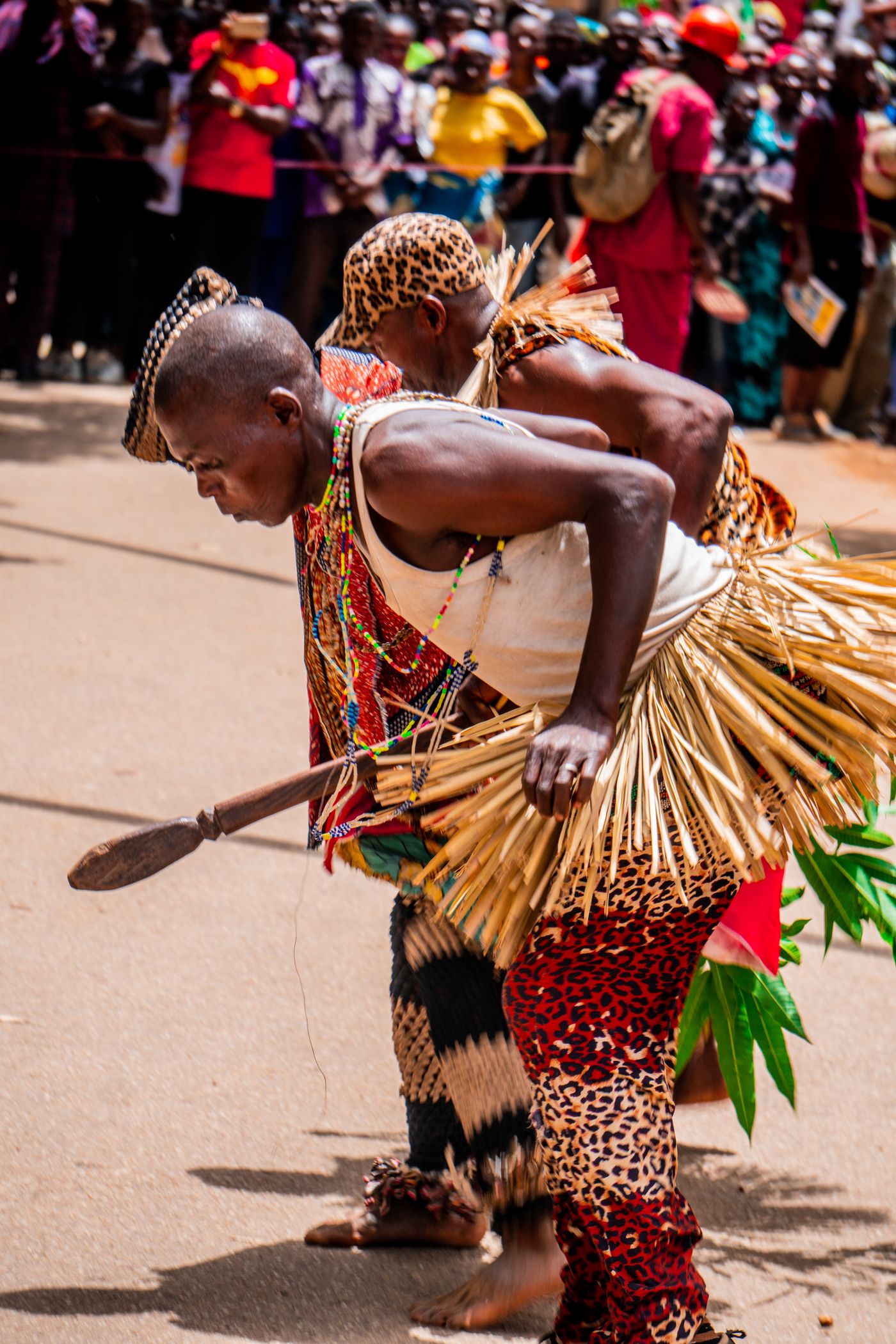
A question worth asking
The African diaspora is not a single service area or a single statistical category. A useful comparison respects place, language, migration history and the way a source defines its population. Connect communities through questions and learning, without erasing the differences that shape an individual’s next step.
Explore institutions preserving stories, creative work and community knowledge. Cultural organizations are part of the directory’s work—not decorative background to the policy conversation.
Separate citizenship, birthplace, ancestry and immigration categories. A general resource does not determine a person’s eligibility or legal options.
A practice from another place can prompt a useful question. It is not automatically transferable; ask what institutions, resources and community relationships make it possible.
Connected by issue.
Grounded in sources.
Understand the collection →
The reading room
Which communities, histories and geographies are represented in the evidence? Keep the source, population, place and period together when you use a finding.
Data portal
A starting point for official demographic, housing and economic data.
Explore the recordU.S. Census Bureau
Release 01 · Source-linkedResearch portal
A broad starting point for global issues and international context.
Explore the recordUnited Nations
Release 01 · Source-linkedDataset guide
Use place-of-birth evidence without equating geography with race or legal status.
Explore the recordU.S. Census Bureau
Release 02 · Source-linkedDataset guide
Find administrative tables on immigration categories and actions.
Explore the recordOffice of Homeland Security Statistics
Release 02 · Source-linkedDataset guide
Compare international migrant populations by origin and destination.
Explore the recordUnited Nations DESA Population Division
Release 02 · Source-linkedPolicy & public programs
Be precise about jurisdiction. U.S. categories do not describe every African diaspora community. A shared topic connects these records; it does not establish a causal relationship or determine eligibility.
State-funded legal-services pathway
Find qualified immigration legal assistance through the state’s supported service network.
Explore the recordCalifornia; participating nonprofit providers
Release 02 · Source-linkedState-administered / federally funded services
A navigation record for refugee and other eligible newcomer services.
Explore the recordCalifornia; eligible populations and local providers
Release 02 · Source-linkedState benefit program
A state-funded food assistance pathway for certain noncitizens who are not eligible for federally funded CalFresh because of immigration-related rules.
Explore the recordCalifornia
Release 03 · Source-linkedPeople before categories
Numbers help frame a question. Community knowledge helps you ask it responsibly. Neither should be separated from its source or presented as the entire story.
Independent organizations
Explore relevant missions and service geographies. These are independent organizations, not a claimed partner network.
Diaspora
Uses exhibitions, dialogue and public education to connect Black history, freedom struggles and contemporary civic responsibility.
Meet the organizationCincinnati, Ohio collection; confirm the current service area, program availability and intake process with the organization.
Release 04 · Source-linkedDiaspora
Preserves archives documenting Black history, civil-rights movements and diasporic communities while supporting research and public learning.
Meet the organizationNew Orleans, Louisiana collection; confirm the current service area, program availability and intake process with the organization.
Release 04 · Source-linkedDiaspora
Uses arts, culture and neighborhood-based investment to preserve Black cultural assets and strengthen community life.
Meet the organizationChicago, Illinois collection; confirm the current service area, program availability and intake process with the organization.
Release 04 · Source-linkedSource text supports the summary. Editorial approval, legal or tax status, service availability and confirmation by the organization are separate checks. Directory inclusion does not establish a partnership or endorsement. Read the review standard
From understanding to a useful ask
What does this community call itself, and which local context must stay attached to the research?
An office or institution is a more useful starting point than an assumed officeholder. Check the official source and the relevant jurisdiction.
Keep the original source link, the review date and the limitation beside your evidence. Edit the draft in your own words before sharing it.
An account lets you save public resources and private drafts on the computer running this local application.